
Chronic Pain: It’s In the Brain — And How Chiropractic Care Can Help
Back and neck pain are the fourth leading cause of disability in Australia. Around 3.24 million Australians live with chronic pain, and more than half say it limits their daily activities. The national cost? An estimated $73.2 billion, projected to soar to $215 billion by 2050.
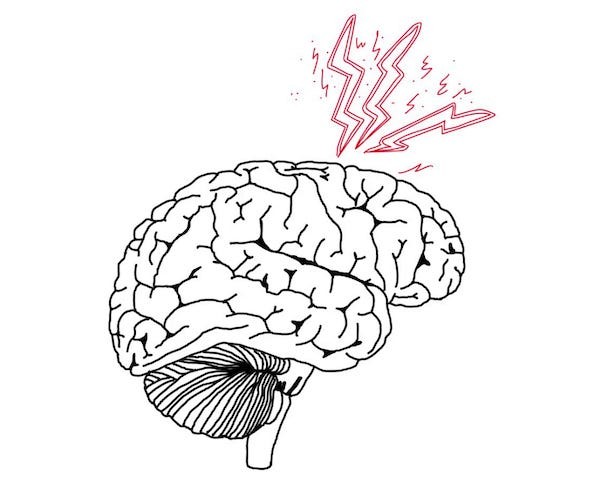
Pain isn’t just a physical problem — it’s a neurological one. Modern neuroscience shows that chronic pain can persist even after the original injury has healed. This happens because long‑term pain can rewire the brain’s networks, amplifying pain signals and keeping the cycle going.
Pain Isn’t Always About Damage
One of the biggest misconceptions is that severe pain equals severe injury. It doesn’t. As a chiropractor, I often see people in extreme discomfort with no tissue damage at all. Their pain is real — but it’s being maintained by the brain’s interpretation of threat.
Likewise, the location of pain doesn’t always reveal the source. A neck issue can cause tingling in the fingers. A spinal segment that isn’t moving well can trigger headaches. Pain is the brain’s protective alarm system, not a perfect map.
How Pain Travels
Twist your ankle, and nerve signals travel from the injury to your spinal cord and up to your brain’s pain centres. But when pain becomes chronic, the brain’s interconnected networks can keep firing even after the tissue has healed. This is neuroplasticity — the brain learning pain.
Headaches: The Most Common Pain
Headaches range from mild tension to full‑blown migraines that send you to bed with the curtains closed. While some headaches signal serious illness, most are related to lifestyle, stress, or spinal dysfunction.
Your brain relies on tiny spinal muscles to understand where your body is in space. If spinal segments aren’t moving well — what chiropractors call subluxations — the brain receives distorted information. This can trigger headaches or intensify existing pain.
Where Chiropractic Fits In
Research shows that chiropractic adjustments improve spinal motion and help the brain process sensory information more accurately. When the brain gets clearer signals, it can reduce unnecessary pain responses.
If your headaches or back pain stem from spinal dysfunction, improving movement through gentle chiropractic care may help calm the brain’s threat response — and reduce pain.
Key Takeaways
- Pain severity doesn’t always match tissue damage.
- Where you feel pain isn’t always where the problem is.
- All pain is created in the brain — and the brain can learn pain.
- Improving spinal movement can help the brain regulate pain more effectively.