
How Chiropractic Adjustments Can Change Your Brain
Most people know chiropractic helps the spine — but fewer realise it can also influence how the brain works. This idea isn’t new. In the early 1900s, B.J. Palmer proposed that interference in the nervous system (what chiropractors call vertebral subluxation) affects both body and mind. Today, modern neuroscience is finally catching up.
Your Brain Runs on Sensory Input
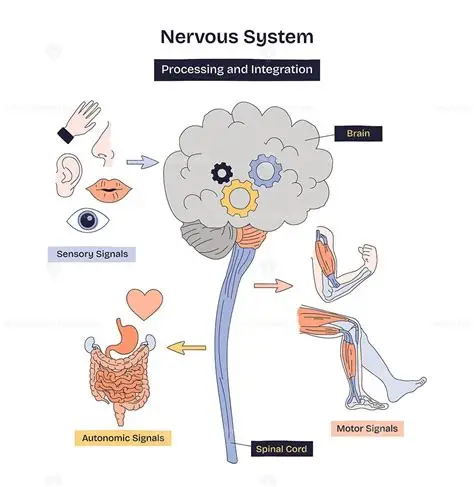
Your brain constantly receives information from your senses — sight, sound, touch, smell, taste — and uses it to maintain a 3D map of your body and surroundings. It interprets this data through the lens of past experiences, expectations, and emotional state. That means your brain’s version of reality isn’t always perfectly accurate.
When the brain receives faulty cues, it can respond abnormally. You might not feel pain, but you may notice clumsiness, poor balance, reduced concentration, coordination issues, or even emotional changes.
The Forgotten Sensory Organ: Your Muscles
One of the biggest discoveries in modern neuroscience is that muscles are sensory organs. As they stretch and move, they send constant feedback to the brain about body position and motion.
The most important of these are the tiny intrinsic muscles between each vertebra. They act like high‑resolution sensors. When spinal segments stop moving properly — due to posture, stress, trauma, or chemical/emotional overload — these muscles send distorted signals. The result? A communication breakdown between your brain and your body.
It’s like having a short circuit in your nervous system. Your brain simply isn’t getting the full picture.
How Chiropractic Adjustments Reset the System
A chiropractic adjustment restores proper joint movement and stretches those small spinal muscles. This changes the sensory input flowing into the brain — and that’s where the magic happens.
Healthy input triggers neuroplastic change: the brain updates its maps, rewires connections, and improves communication with the body.
The outcome is simple: Better awareness. Better control. Better performance.
When your brain receives clearer information, you function at your best — physically, mentally, and emotionally.