Spinal Stenosis: What It Is and Why Prevention Matters
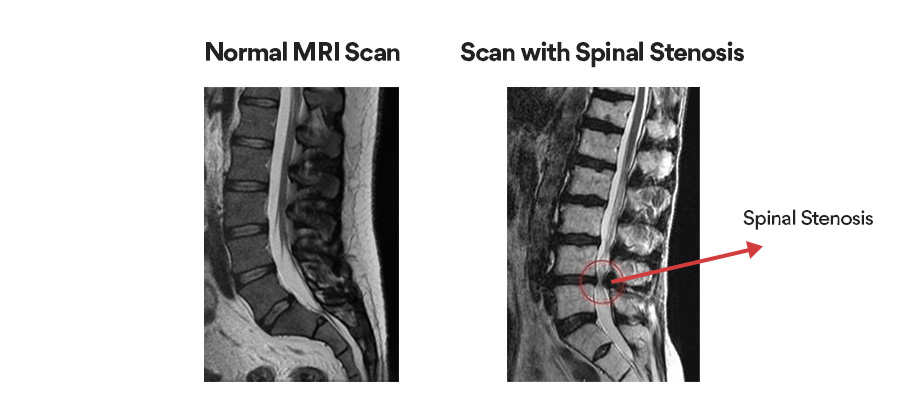
Spinal stenosis is a narrowing of the spaces in the spine, creating pressure on the spinal cord or the nerves that exit it. It most often affects the lower back (lumbar spine) and neck (cervical spine). It’s a progressive condition, but in many cases the underlying causes develop slowly—and some are preventable.
What Causes Spinal Stenosis?
Several structural changes can reduce space around the spinal cord and nerves:
- Disc herniation – When a disc bulges into the spinal canal or nerve openings, it can directly compress nerve tissue.
- Degenerative and arthritic changes – As discs wear down with age, the available space for nerves shrinks, increasing the risk of compression.
- Bone spurs – The body may form extra bone in response to long‑term stress. Spurs on the outside of the spine rarely cause trouble, but those forming inside the canal or nerve openings can significantly narrow the space.
Stenosis is most common in the cervical and lumbar regions.
Common Symptoms
Lumbar Stenosis
- Lower back pain
- Pain, cramping, or heaviness in the buttocks or legs
- Numbness or tingling in the legs or feet
- Leg weakness
Cervical Stenosis
- Neck pain
- Numbness, tingling, or weakness in the arms or hands
- Balance problems
- Headaches
Interestingly, many people have stenosis on imaging but no symptoms at all. The narrowing may not be severe enough to irritate nerves, or the body may have adapted.
Some individuals are also born with a naturally narrower spinal canal, but with good spinal care they may never develop symptoms.
Who Is at Risk?
- Older adults – Degeneration accumulates with age, making stenosis more likely.
- Younger people doing heavy manual labour – Repetitive strain and early disc wear can accelerate degeneration and spur formation.
Prevention and Management
Because stenosis often develops from long‑term wear and misalignment, prevention is key.
- Maintain good spinal alignment to reduce abnormal stress on discs and joints.
- Chiropractic care can help correct dysfunctions, improve balance, and reduce strain before problems become chronic.
- Long‑term, unaddressed spinal stress—especially from heavy work—can progress to the point where conservative care alone may not be enough.
When symptoms are more advanced, medical options may include:
- Pain‑relieving medications
- Epidural injections
- Surgery to remove bone spurs or decompress the spinal canal (e.g., laminectomy)
When It Becomes Serious
Seek urgent medical attention if any of the following occur:
- Loss of bladder or bowel control
- Progressive muscle wasting
- Significant weakness in the arms or legs
- Loss of sexual function
These signs indicate major nerve involvement.
The Bottom Line
Seeing “spinal stenosis” on an MRI isn’t a reason to panic. Many people live comfortably with mild narrowing, and symptoms often respond well to conservative care—including chiropractic treatment.
When more advanced intervention is needed, modern surgical techniques can provide excellent outcomes.
Early recognition, smart management, and lifelong spinal care are the best tools for keeping stenosis from becoming a major problem.